The YMCA in the United States
Today, the Y engages more than 10,000 neighborhoods across the U.S. As the nation’s leading nonprofit committed
to helping people and communities to learn, grow and thrive, our contributions are both far-reaching and intimate
from influencing our nation’s culture during times of profound social change to the individual support we provide
an adult learning to read.
By nurturing the potential of every child and teen, improving the nation’s health and well-being, and supporting
and serving our neighbors, the Y ensures that everyone has the opportunity to become healthier, more confident,
connected and secure.
Here’s a glance at our rich history, and a snapshot of our many successes over the last 160 years on behalf of the
individuals and communities we are privileged to serve.
History of the Y Logo
 |
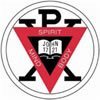
1881 – The Ninth Conference in London approves the first Y logo, which highlights Y values by featuring a reference to John 17:21: “That they may all be one…as we are one.” |
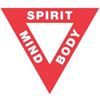 |
1891 – Luther H. Gulick, M.D., proposes a red triangle as the Y symbol. The equal sides of the triangle stand for “man’s essential unity, body, mind and spirit, each being a necessary and eternal part of man, he being neither one alone…” |
 |
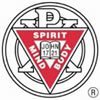
1895 – The annual convention of the U.S. and Canadian Ys authorizes adding the triangle to the old World Alliance insignia. |
 |
1896 – The logo is simplified and a second ring is added. It is said the second ring represents friendship and love without end among individuals. This remains the Y’s official emblem. |
 |
1897 – The everyday logo from 1897 to 1967 is the red triangle. |
 |
1967 – The Y creates and trademarks the logo with the triangle and bent bar. |
Inside our New Logo
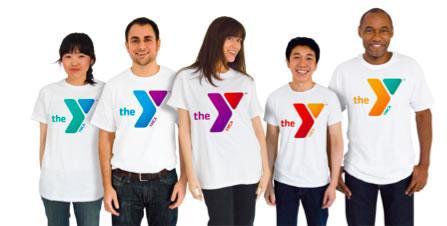
The Y’s new visual system reflects our true identity: a caring, people-oriented organization that is devoted to the
cause of strengthening communities. Our refreshed logo, for instance, is bold, active and welcoming, suggesting our
determined commitment to social progress. Plus, the many colors reflect the vibrancy and diversity of our
communities and activities.